DC Voters Pick Their First New Mayor in More Than a Decade on Tuesday — and Decide a Foie Gras Ban
Three candidates are running to succeed Mayor Muriel Bowser, the ballot also carries the Council chair, two at-large seats, the attorney general and the delegate — and Initiative 86 asks District voters whether to ban foie gras.
District voters cast ballots Tuesday in an election that will give Washington its first new mayor in more than a decade. Mayor Muriel Bowser is not seeking a fourth term, and three candidates are running to succeed her: Democrat Janeese Lewis George, independent Rhonda Hamilton and DC Statehood Green Party candidate Robert L. Gross.
The mayor's race sits on a full citywide ballot. Voters also choose a Council chair, two at-large Council members, an attorney general and the District's nonvoting delegate to the US House, who can take part in debate and committee work but cannot cast a final vote on the House floor. Ranked-choice voting will be used in races with three or more candidates: voters may rank their choices, and a ballot moves to the next choice still in the race if its first choice is eliminated.
One question on the ballot is not about a person at all. Initiative 86 — a measure placed on the ballot by resident petition rather than by the Council — would ban foie gras made by force-feeding ducks and geese through tubes, and would bar selling products made that way in the District.
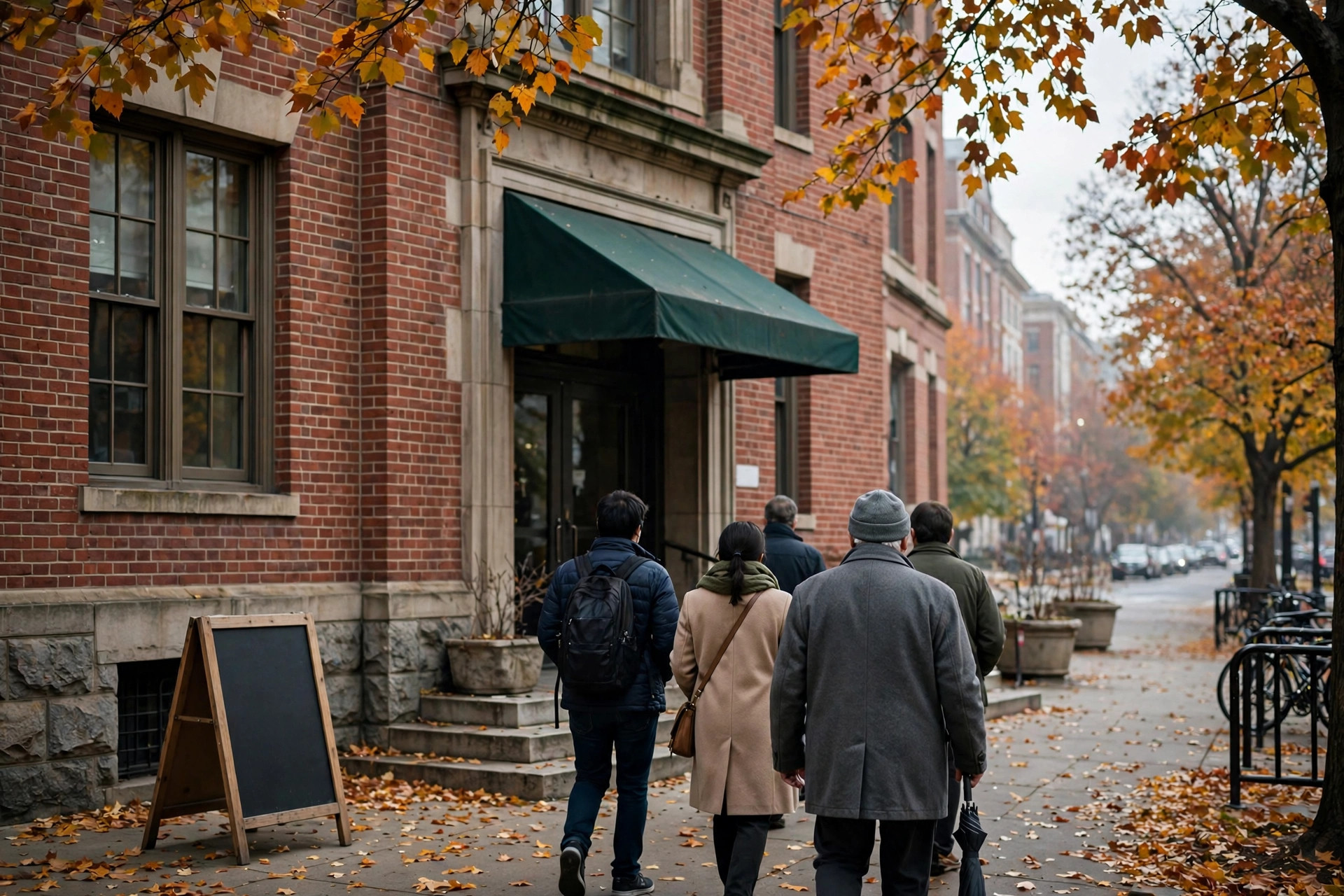
The mechanics are the most flexible in the region: District voters can cast a ballot at any voting center in the city from 7 a.m. to 8 p.m. Tuesday, regardless of where they live, and anyone in line by 8 p.m. can still vote. Mailed ballots must be postmarked on or before Election Day and received by the Board of Elections by Friday, November 13, and drop-box ballots are due by 8 p.m. on Election Day — which means the count can keep changing after Tuesday night. Noncitizen residents may vote in the District's local races, but not in federal ones.