D.C. Controls Only 10 Percent of Its Own Parkland: a Task Force Led by Anthony Williams and Matt Frumin Says the Park Service Should Hand More of It Over
The District has 8,398 acres of parks, but the city runs only a tenth of them. The task force report counts the cost in playgrounds - 105 on city land, 19 on federal land - and says the incoming mayor is the moment to change it.
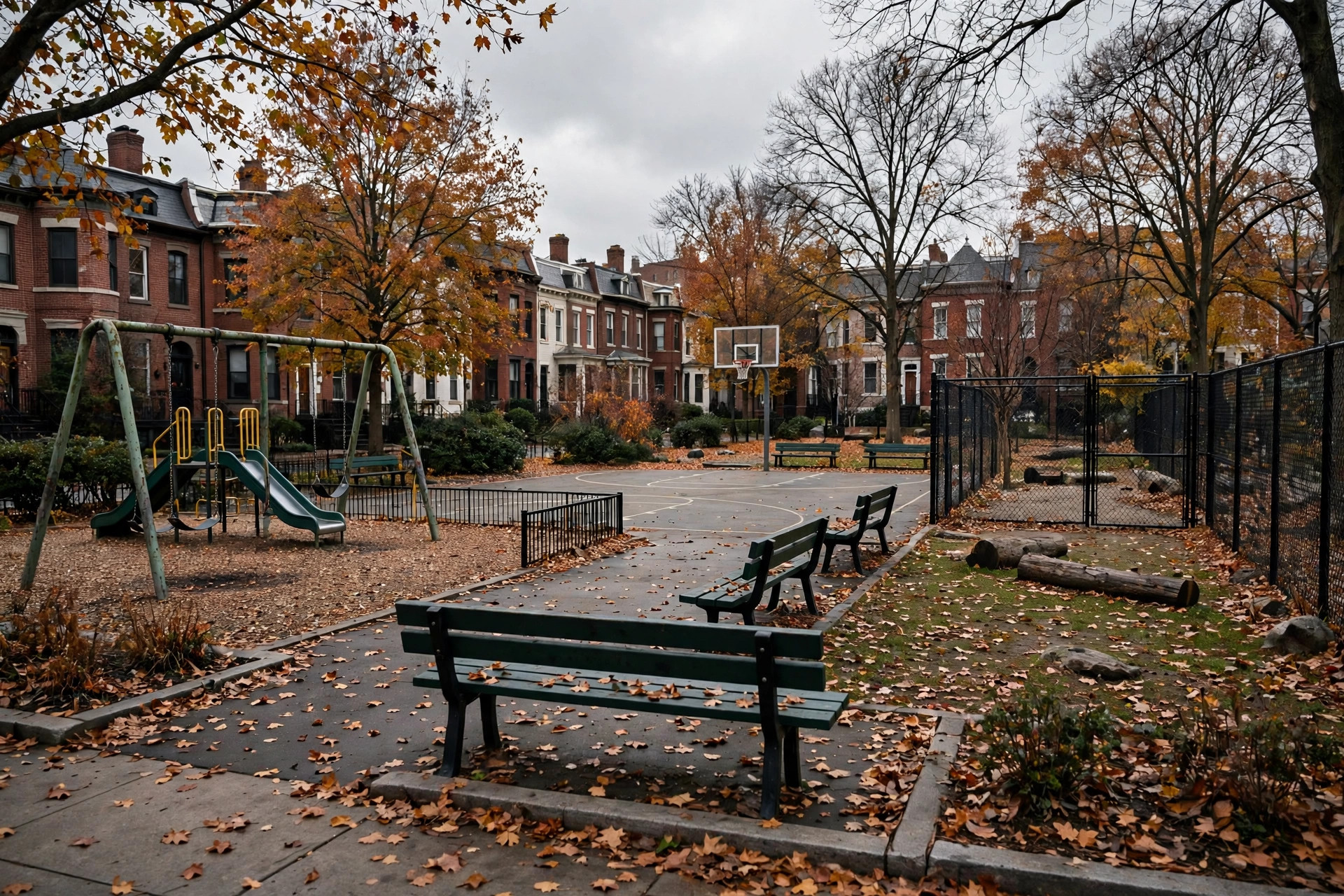
Stand in a park in the District of Columbia and there is a good chance it is not the city's park at all. A new report from the D.C. Neighborhood Parks Task Force says that should change, arguing that the National Park Service should turn more of its parks and parcels over to local control. Of the District's 8,398 acres of parks, only 10 percent are actually controlled by the city, with the remainder under federal control by the NPS - much of it small pocket parks in city neighborhoods that are of little federal interest.

The report, co-chaired by former Mayor Anthony Williams and Ward 3 Councilmember Matt Frumin, counts what that split means on the ground. There are 105 playgrounds on land operated by the D.C. Department of Parks and Recreation, but only 19 on land owned by NPS; for basketball courts the ratio is 122 local to 12 federal; and virtually all of the city's dog parks and spray parks sit on D.C. land. Playgrounds, dog parks, movie nights, nature trails and other common features of urban neighborhood parks are often not permitted on NPS-managed land, the report says, and residents often do not know whether to call the District or the Park Service when something needs fixing - or snow needs plowing.
Williams, in an email to The Washington Sun, called the continued federal control a relic of the transition to Home Rule in the 1970s, when the city had too much on its plate to worry about municipal parks management, and said the District now has the capacity to do more. The report is candid that taking on more land would require the city to build capacity - expanding DPR or creating a new coordinator of the public realm - and notes that D.C. recovers less than 5 percent of its parks and recreation costs, against a national average of 26 percent.
There are working models in the report: Franklin Park in downtown D.C., where the city paid for a $21 million renovation under an agreement with the federal government; Lincoln Park, where a nonprofit community group helps NPS with upkeep; and the ongoing plans to transfer 110 acres of parkland at Poplar Point over to the city. Mayor Muriel Bowser wrote to the White House last year that reduced NPS staffing had impacted trash collection, graffiti removal and overall maintenance on federal properties. With the city about to elect its first new mayor in over a decade, Williams argues, the leadership change is the opportunity to re-energize the question.