Maryland's Top Election Official Tells Voters Casting Ballots Will Be 'Safe, Secure, Verified' - With Federal Monitors Coming to Prince George's County
State Administrator Jared DeMarinis makes the case for trust in Tuesday's process: nearly 26,000 trained election judges, open canvassing and equipment demonstrations. The Justice Department will monitor Prince George's County for Voting Rights Act language compliance.
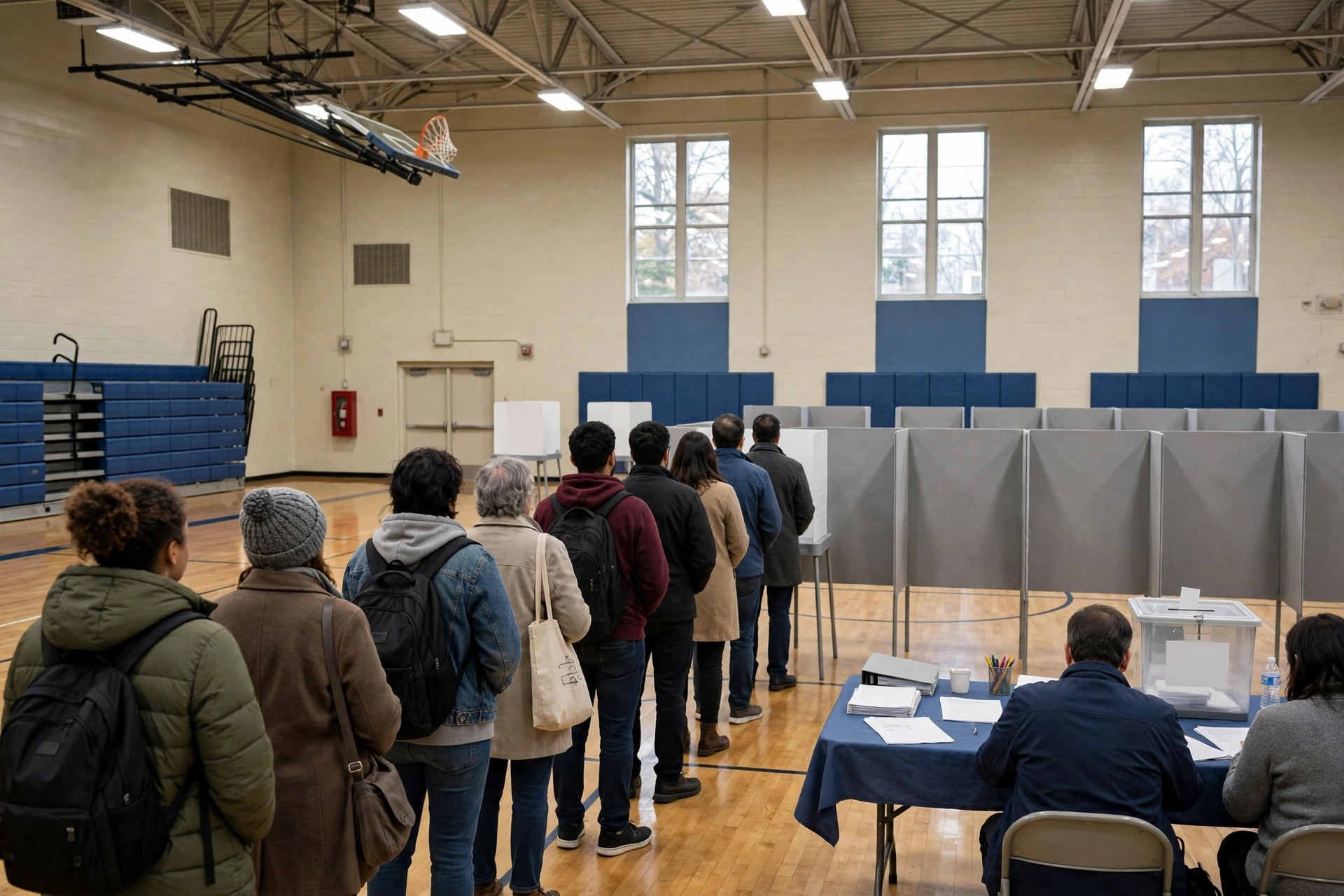
Maryland's top election official says voters across the state can trust the electoral process on Election Day, despite claims by some of potential voter fraud and rigged elections nationally. 'It is safe, secure, verified,' Jared DeMarinis, Maryland's state administrator of elections, told Capital News Service. 'I think the verified part is important. It's open and transparent.' DeMarinis said voters should also not be dissuaded by threats of intimidation, and he described the preparation underneath the assurance: the state selected all of its voting sites, trained nearly 26,000 election judges to help administer the election, and mailed out mail-in ballots 45 days before Election Day. 'It's business as usual,' he said.

One element of Tuesday in the capital region is federal. The Maryland State Board of Elections said it was notified by the US Department of Justice that election monitors will be sent to Prince George's County to monitor compliance with the language provisions of the Voting Rights Act. The practice is not uncommon, Capital News Service notes, but in a climate when President Donald Trump has not ruled out sending federal troops to polls, some election officials and civil rights groups are worried about the impact on voters. 'The State Board and every local board takes the responsibility of administering Maryland's elections very seriously,' DeMarinis said in a statement. 'Every voter has the right to have their vote counted and their voice heard in a safe environment free from intimidation, harassment or threats.'
DeMarinis named the threat he considers most current. The forms of voter intimidation differ through the ages, he told CNS, but 'now the biggest form is probably mis- and disinformation because they try to make it so that voters have apathy or that their vote doesn't matter.' Election officials get protections of their own: one of the first bills he worked on in the job was the Protecting Election Officials Act of 2024, which protects election judges from undue harassment and threats. And the process itself is watchable, he pointed out - stakeholders, candidates and the public can attend mail-in ballot canvassing and the logic-and-accuracy demonstrations on equipment before it is deployed, with challengers, observers and watchers at polling places. His closing advice to Marylanders was direct: if apprehension about one method of voting exists, it should not become a reason not to vote at all. 'Don't ever let your voice be silenced. Don't give in to that fear.'