U.S. Confirms Defensive Strikes on Iranian Targets in the Strait of Hormuz on the Eve of the Midterms
Hours after President Donald Trump told reporters in Washington he was in no rush to ramp up strikes on Iran, a U.S. official confirmed American forces carried out limited defensive strikes against Iranians using surface-to-air missiles against U.S. assets — as Iranian state television reported explosions on Qeshm Island.
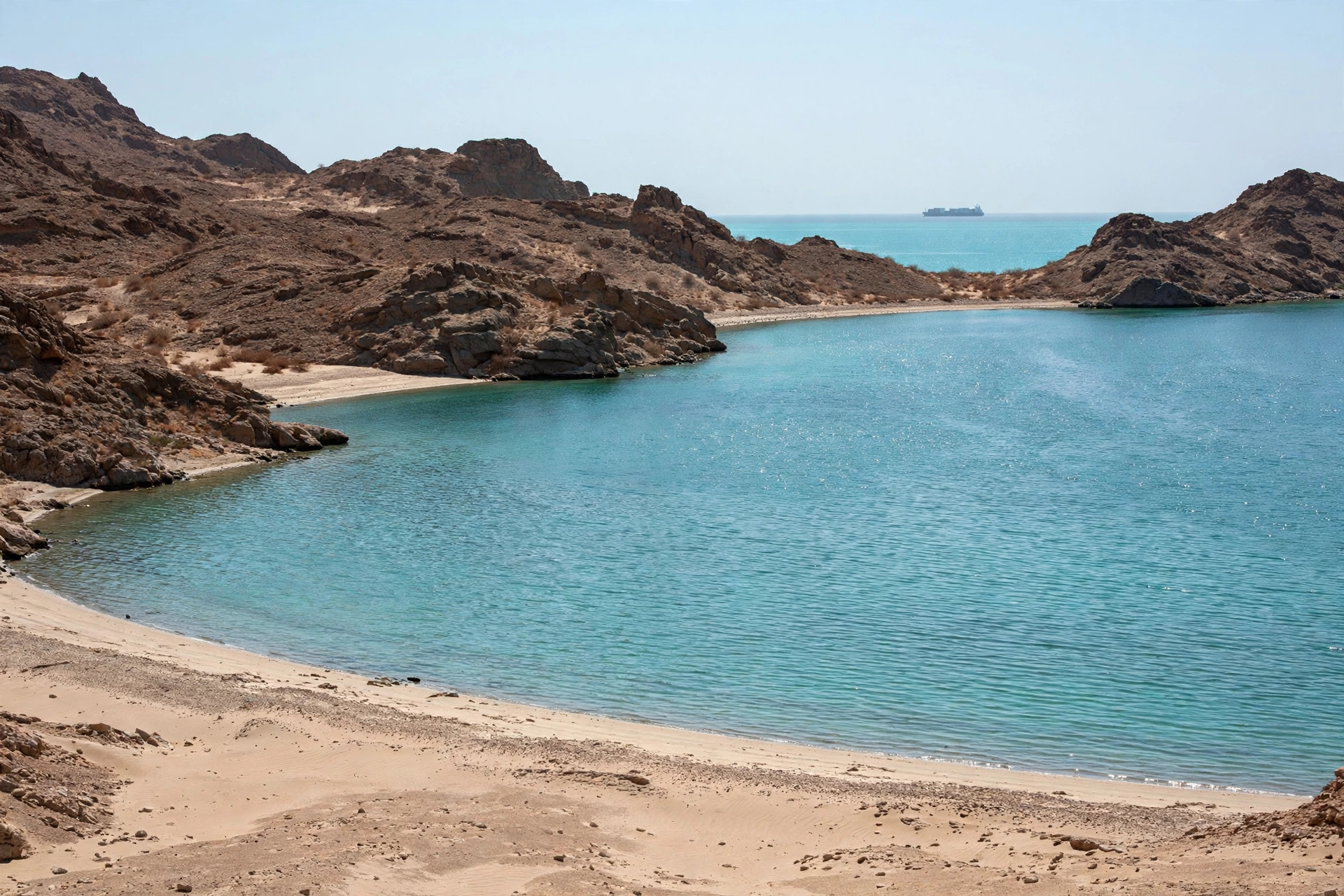
The United States has conducted defensive strikes on Iranian targets in the Strait of Hormuz, a U.S. official said Monday, confirming the explosions Iranian state television reported on Qeshm Island, the large island that sits in the strait. The official, who was not authorized to comment publicly and spoke on condition of anonymity, told the Associated Press the strikes targeted "Iranians using surface-to-air missiles against U.S. assets."

The strikes appeared limited rather than a return to full hostilities, and U.S. officials described them to the Wall Street Journal — which first reported the operation — as the latest in a series of small, deliberate attacks carried out in recent weeks and kept unpublicized so as not to signal a resumption of the major military campaign. The BBC reported it has contacted Centcom, the U.S. military command for the Middle East, for comment; no formal public statement had been issued as this file was staged. Iran's Revolutionary Guard claimed on Monday that it had captured two U.S. reconnaissance drones south of Qeshm and destroyed an MQ-9 east of the strait — a claim U.S. Central Command has partly dismissed as false, and which Washington has not confirmed.
The timing lands in the middle of Washington's election. The confirmed strike came hours after Trump, asked in Washington on Monday whether he would resume attacks on Iran after the midterms, answered "no" and said a deal with Tehran could happen — and after he told reporters he was in "no rush" to ramp up strikes. Both things are now on the record on the same day: a president talking down a post-election escalation, and American missiles hitting Iranian positions in the strait the night before Americans vote.
The eight-month war with Iran — and the gasoline prices it has driven up by throttling traffic through a waterway that once carried about a fifth of the world's crude oil and natural gas — is a leading vulnerability for Republicans trying to hold Congress on Tuesday. What Election Day voters are deciding, among everything else, is who in Washington manages a war that is still, quietly, being fought.